
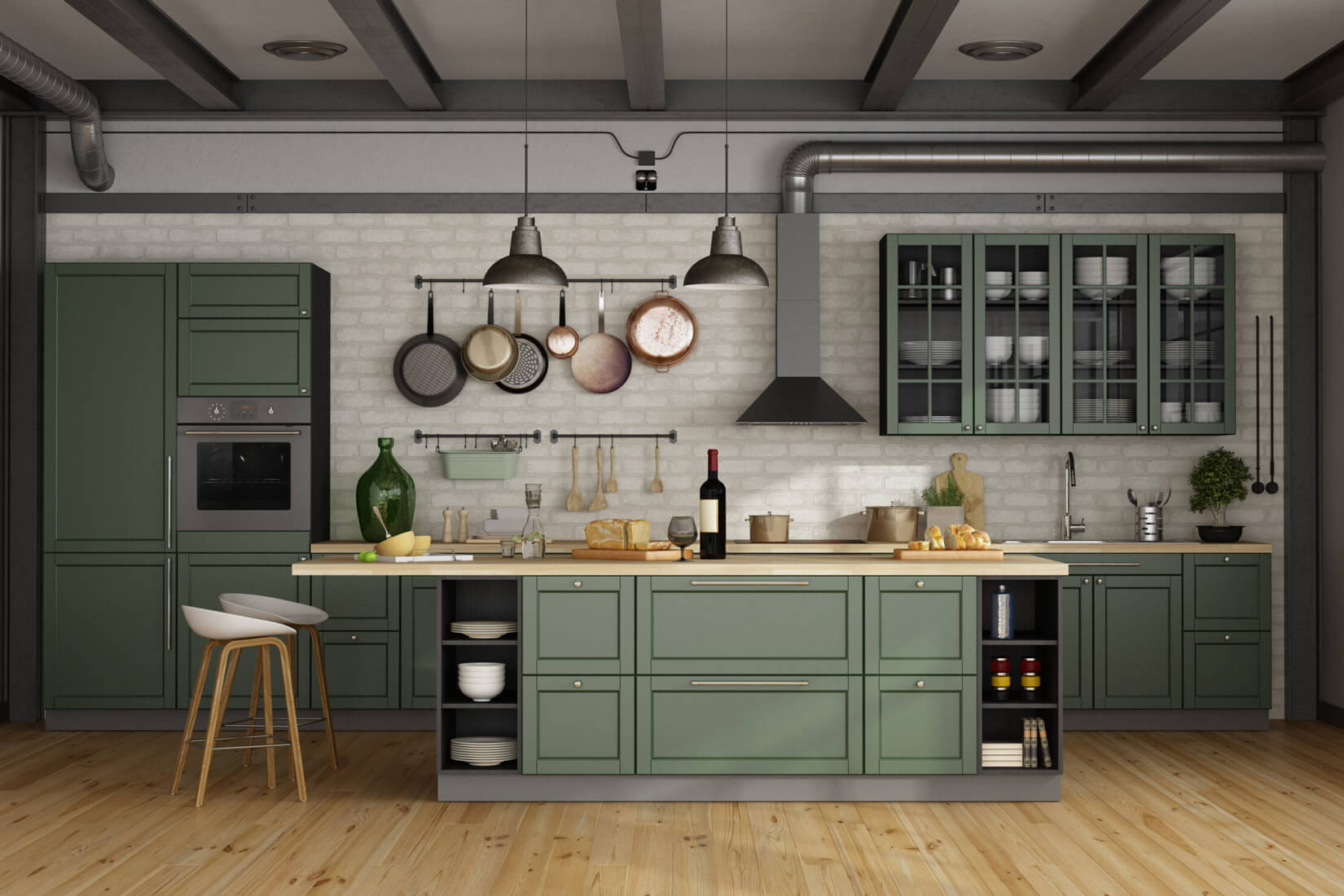
A renter in Astoria bought her first co-op last year. The kitchen was 80 square feet. One wall, a galley layout, and a window that did not open. She had a budget of $22,000. She also had a contractor quote for $48,000 from someone who did not know small NYC kitchens at all. So she called us instead. As a result, her remodel came in at $19,500 and changed how she used the entire apartment.
Small NYC kitchen remodel costs range from $8,000 to $35,000 depending on scope, borough, and what you actually touch. Manhattan runs higher. Brooklyn and Queens, however, come in lower for the same work. But the number matters less than the decisions behind it. In a kitchen under 100 square feet, however, every choice either adds space or takes it away. Indeed, there is no neutral.
General Contractor NYC is a referral network. We connect homeowners in all five boroughs with licensed contractors who specialize in small-space NYC renovations. They provide quotes and complete the work. We handle the vetting. Here is what works in a real NYC apartment kitchen — and what does not. For full borough-by-borough kitchen renovation pricing across all scopes, see our NYC kitchen renovation guide.
What a Small NYC Kitchen Remodel Costs in 2026
Price ranges by scope and borough
| Scope | Manhattan | Brooklyn | Queens | Bronx / Staten Island |
|---|---|---|---|---|
| Cosmetic refresh Paint, hardware, lighting, backsplash |
$5,000–$10,000 | $4,000–$8,500 | $3,500–$7,500 | $3,000–$7,000 |
| Cabinet + countertop update New or resurfaced cabinets, new countertop |
$12,000–$22,000 | $9,000–$18,000 | $8,000–$16,000 | $7,000–$14,000 |
| Full remodel New cabinets, countertops, appliances, flooring, fixtures |
$22,000–$40,000 | $18,000–$32,000 | $15,000–$28,000 | $13,000–$24,000 |
| Full remodel + layout change Moving plumbing or walls |
$40,000–$65,000+ | $32,000–$55,000 | $28,000–$48,000 | $24,000–$42,000 |
Manhattan costs more for the same scope. Labor rates are higher, and building logistics add time. Also, many Manhattan buildings charge a renovation deposit of $500 to $1,500, held until the superintendent signs off. Brooklyn and Queens, however, offer real savings without giving up quality. A contractor who works regularly in Astoria or Flatbush knows small-space NYC kitchens as well as anyone in Midtown.
Why small kitchens often cost more per square foot
A 75-square-foot kitchen costs more per square foot to remodel than a 200-square-foot kitchen. The reason is simple. Labor does not scale down the way materials do. First, a plumber still makes a trip. Also, a cabinet installer still sets up and breaks down. So the fixed costs stay high, but they spread across fewer square feet. In a small NYC kitchen remodel, labor often makes up 45 to 55 percent of the total budget.
That is also why cheap quotes are a red flag in small-space work. A contractor who underbids a 75-square-foot kitchen is cutting corners somewhere. Usually it is the parts you cannot see: plumbing connections, cabinet mounting, and waterproofing behind the backsplash.
The Layout Types You Are Working With
Most NYC apartments under 100 square feet fall into one of three layouts. Knowing which one you have changes every decision that follows. So figure this out before you do anything else.
Galley kitchens: the most common layout in NYC
A galley kitchen has two parallel walls with a corridor in between. It is the most common layout in NYC apartment buildings. For example, prewar co-ops on the Upper West Side and postwar rentals in Flushing both use this layout regularly. The work zone is efficient by design. But storage is almost always the problem. In fact, most galley kitchens in NYC have 8 to 12 linear feet of cabinet space total. That is not much when you are storing a full kitchen’s worth of equipment.
The best use of a small NYC kitchen remodel budget in a galley layout: go floor-to-ceiling on the cabinetry. Most galley kitchens have a dead zone of 12 to 18 inches between the top of the upper cabinets and the ceiling. In fact, that space can hold four to six more cabinets. In a 75-square-foot kitchen, that is meaningful storage.
Single-wall and L-shaped layouts
Single-wall kitchens run everything along one wall. They are common in studio apartments across Brooklyn and the Bronx. The challenge is that the work triangle does not exist. Everything is in a straight line, so the workflow becomes linear and inefficient. The fix here is usually appliance positioning and counter extension, not a full remodel.
L-shaped kitchens use two adjacent walls. They are less common in NYC but appear frequently in pre-war apartments in neighborhoods like Park Slope and Riverside Drive. The corner is almost always wasted space. A Lazy Susan or a pull-out corner unit solves this. However, it adds $800 to $2,500 to the cabinet budget.
Upgrades That Actually Work in Under-100 Sq Ft
In a small kitchen, the wrong upgrade wastes money and space at the same time. The right one does the opposite. So here are the moves that consistently work in NYC apartments — and a few that consistently do not.
Cabinet choices that add real space
Floor-to-ceiling cabinets are the single best investment in a small NYC kitchen remodel. They add 30 to 50 percent more storage without touching the footprint. Also, open shelving on one wall can make the kitchen feel larger. But open shelves in a small NYC kitchen collect grease quickly. They work better in dry-storage zones than above the stove or sink.
For cabinet doors, consider frameless European-style boxes. They open wider than face-frame cabinets and give you a few extra inches of accessible depth. In a 10-inch-deep upper cabinet, those inches matter. Also, cabinet refacing — new doors and drawer fronts on existing boxes — runs $4,000 to $9,000 in Manhattan. It can extend the life of solid existing carcasses by 10 to 15 years.
Countertops: maximize the linear feet
In a small kitchen, you want every inch of counter space you can get. So do not sacrifice counter footage for an island you cannot comfortably walk around. In fact, most NYC galley kitchens cannot fit an island and maintain a 42-inch clearance on both sides. Butcher block is a practical choice for small kitchens. It costs $40 to $80 per square foot installed and repairs easily when scratched. Quartz, however, runs $80 to $150 per square foot but holds up better long-term without maintenance. If your budget stretches beyond a targeted refresh, see our guide to luxury kitchen renovation in NYC for high-end material options.
Appliances: right-size them
For example, a 30-inch range in an 80-square-foot kitchen is almost always too big. A 24-inch range frees up 6 linear inches of counter space. In a galley kitchen, that is a meaningful difference. Also, counter-depth refrigerators sit flush with the cabinets. They reclaim 4 to 6 inches of walkway. For instance, Bosch, Blomberg, and Summit all make compact appliances built for NYC apartment kitchens. For example, Bosch makes an 18-inch dishwasher that fits under a standard counter and runs quietly enough for open-plan apartments.
Lighting: the cheapest fix with the biggest impact
Most small NYC kitchens, however, have one overhead fixture and no under-cabinet lighting. That is a problem. In fact, bad lighting makes a small kitchen feel smaller. Also, under-cabinet LED strips cost $200 to $600 installed and transform how the space feels. Also, replacing a yellowed ceiling fixture with a flush-mount LED adds brightness without taking up headroom. This upgrade often delivers the highest visual impact per dollar in a small NYC kitchen remodel.
Co-op Board and Permit Rules That Apply
A small kitchen remodel still triggers NYC rules. The scope determines what is required. So know this before you hire anyone.
When you need a NYC DOB permit
A cosmetic refresh — paint, hardware, new lighting fixtures — typically does not need a permit. But the moment you touch plumbing or electrical, the NYC Department of Buildings requires a permit. Relocating a sink, adding an outlet, or installing a range hood that vents through an exterior wall all require one. The contractor pulls the permit. Not you. Approval takes 3 to 6 weeks for minor kitchen alterations.
Co-op alteration agreements for kitchen work
Co-op apartments require board approval before any work that touches plumbing, electrical, or structural elements. The alteration agreement — specific to your building — spells out what is permitted, what insurance the contractor must carry, and what working hours apply. Most Manhattan co-ops allow construction Monday through Friday, 9am to 5pm only. Also, the contractor must carry general liability insurance naming the building as an additional insured. Most buildings require $1 million to $2 million in coverage.
Condo buildings vary. Some require the same process as co-ops. Others need only a copy of the DOB permit. So check with your managing agent first. Do not assume a small scope means no board process.
Ready to get matched with a contractor who knows small NYC kitchens?
We connect homeowners across Manhattan, Brooklyn, Queens, and the Bronx with vetted contractors who specialize in apartment kitchen renovations. Most homeowners hear back within 24 hours.
How to Find the Right Contractor for a Small NYC Kitchen
A contractor who does full gut renovations in large Manhattan townhouses is not necessarily the right person for a 75-square-foot galley kitchen in Flushing. The skills overlap. But the experience with small-space constraints, co-op building rules, and compact appliance sourcing does not always transfer. So here is what to look for.
Check the HIC license and insurance
Every contractor working in NYC must hold a current Home Improvement Contractor (HIC) license from the NYC Department of Consumer Affairs. This is separate from any state contractor license. Verify it at nyc.gov/dca before the first conversation. Also, ask for a certificate of insurance that names your building as an additional insured. If they hesitate on either of these, stop there.
Ask to see small-space NYC work specifically
Ask for photos and references from at least two kitchen renovations under 120 square feet in NYC buildings. Not just kitchens — NYC kitchens specifically. Pre-war plumbing configurations, low ceilings, and co-op board requirements create challenges that do not show up in suburban renovation work. The contractor needs to have solved them before in a building like yours.
Get a written scope before signing anything
A written scope for a small kitchen remodel should name every product by make and model. “White quartz countertop” is not a specification. “Caesarstone Organic White 2cm, eased edge, installed” is. Also, the scope should state clearly who pulls the permits, who handles co-op board paperwork, and what the payment milestones are. Never pay more than 30 percent upfront on any NYC renovation project. To understand how general contractors structure their fees, see our general contractor cost NYC guide.
How We Match You with a Small Kitchen Specialist
Finding a contractor who knows small-space NYC kitchen work takes real effort. Licenses need verifying. References from comparable jobs need checking. Insurance certificates need reading. So most homeowners skip these steps and pay for it later.
That is the problem our referral network was built to solve. General Contractor NYC is a referral network. We connect homeowners with independent, licensed contractors who provide the quotes and complete the work. We vet HIC licenses, confirm insurance, and review track records before any contractor joins the network. As a result, when you submit a project inquiry, we match you with contractors who have specific experience with small-space NYC kitchen renovations.
We also match on building type and borough. A contractor with experience in Queens rental apartments handles the same small-space constraints differently from one who works primarily in Brooklyn co-ops. We match on that specificity. Most homeowners hear back from a matched contractor within 24 hours. There is no fee.
Frequently Asked Questions