
By Donny Zanger | Published: 2026-09-13 | Updated: 2026-09-13
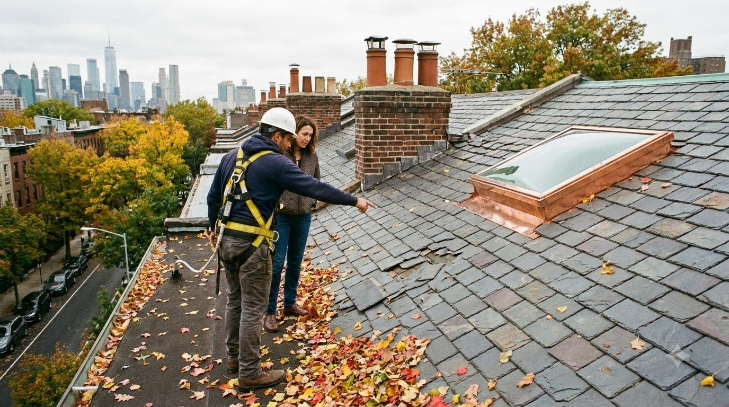
Fall is the best time to fix problems before winter makes them worse. Cold weather in New York City punishes small issues fast. A loose shingle becomes a leak. A drafty window becomes a high heating bill. A cracked mortar joint on a brownstone becomes water damage inside the wall. This guide covers the fall upgrades worth scheduling now. It lists them in order of urgency. Book early. The fall contractor window closes fast in NYC.
Why Fall Is the Right Window for NYC Renovations
Exterior work depends on weather. Roofing, masonry, and window work all need dry, mild conditions. Materials need to cure and seal correctly. Once temperatures drop below 40°F, many materials stop bonding well. NYC contractors also book up fast. Most fill their schedules from late September through November. Early scheduling matters more than the project itself.
Co-op and condo boards add another layer of delay. Most buildings require board approval first. Board meetings often slow down near the holidays. Start the approval process in September. That gives you a real shot at finishing before winter. Wait too long, and the project carries into January.
1. Roof Inspection and Repair
A roof inspection is the top fall priority. Roofers check for lifted or cracked shingles. They check flashing around chimneys and vents. They check for pooling water on flat roofs. Flat roofs are common on NYC rowhouses and brownstones. Any of these issues can turn into a leak. That often happens the first time snow melts and refreezes.
Is your roof more than 15 years old? Ask your contractor about a full inspection versus a targeted repair. A licensed contractor can also flag ice-dam risk. This risk is common on older NYC roofs with thin attic insulation.
2. Windows and Weatherproofing
Old, single-pane windows leak heat fast. This is common in prewar NYC apartments and townhouses. Fall is the best time to replace failing windows. Installers need dry conditions to seal the frame right. Can’t afford a full replacement this year? Weatherstripping and caulking still cut drafts a lot.
Check window locks and storm windows now too. This matters for landlords and co-op owners. Window guard violations are easier to fix before DOB inspections pick up in colder months.
3. Heating System Service
NYC’s Housing Maintenance Code sets a hard deadline. Heat must be provided starting October 1. Boilers and furnaces sit idle all summer. They need a professional tune-up before that date. Don’t wait for tenants to complain about cold radiators. A pre-season service call checks the burner. It checks the pressure relief valve. It checks the thermostat too.
Wait until the first cold snap, and you compete with every building in the city for a technician. Book now instead. That avoids the bottleneck. It also lowers the odds of a mid-winter breakdown.
4. Gutter and Drainage Cleaning
Clogged gutters send water straight down a facade. That water should drain away from the building instead. In freezing weather, trapped water expands. It can crack masonry, siding, and window frames. Clearing gutters is a quick fix. Confirm downspouts drain away from the foundation too. This prevents a costly repair later.
Check basement window wells and areaway drains now as well. These flood easily during fall storms when leaves and debris pile up.
5. Masonry and Facade Repairs
Brownstones, brick townhouses, and prewar buildings need sound mortar joints. Sound joints keep water out of the walls. Repointing needs steady temperatures above 40°F to cure. That makes fall the last practical window before winter. NYC’s Facade Inspection Safety Program, or FISP, requires periodic inspections on taller buildings. Did your last report flag a repair? Move it to the top of the list. Miss a FISP repair deadline, and the building can face fines. Schedule the work now, while it can still cure properly.
6. Insulation and Attic Sealing
Upgrading attic insulation cuts heat loss before winter. It also helps prevent ice dams on sloped roofs. Air-seal around pipes, ductwork, and the attic hatch too. These are the biggest gaps for warm air to escape. Rim joists in basements and crawl spaces are another common leak point in older NYC row houses. Seal those too, and you close off drafts from both ends of the building.
This project costs less than roofing or windows. It pays back fast through lower heating bills. It also rarely needs board approval, since the work stays inside one unit.
7. Interior Projects That Use the Slow Season
Kitchen and bathroom renovations don’t depend on outdoor weather. That makes fall and winter a smart time to tackle them. Exterior contractors get booked solid this time of year. Interior crews often have more open slots. Start an interior project now, and it’s likely finished before the busier spring season. Spring brings longer material lead times and tighter contractor schedules.
Energy Efficiency Upgrades Worth Adding This Fall
Fall projects are a good time to think about energy use too. A smart thermostat is a low-cost add-on to a heating tune-up. It can trim wasted heat without any construction work. Draft-stopping door sweeps and outlet gaskets are cheap fixes too. They target the small gaps that add up over a whole apartment or house. If you’re already replacing windows, ask about low-E glass. It blocks more heat loss without changing how the window looks. None of these upgrades require a permit on their own, but always confirm with your contractor first.
A Fall Renovation Timeline for NYC Homeowners
Booking order matters as much as the projects themselves. Contractors, board reviews, and DOB permits each move on their own schedule. Fall gives you the least room for delay of any season.
September: Schedule a roof inspection. Request board approval for any exterior or facade work. Book your heating tune-up before the October 1 deadline creates a backlog.
October: Finish window sealing or replacement. Complete masonry repointing while temperatures still allow proper curing. Clear gutters after the first major leaf drop.
November: Wrap up any remaining exterior work. Temperatures soon drop below the range sealants and mortar need to cure. Shift focus to interior projects that don’t depend on weather.
Brooklyn brownstone districts and Manhattan prewar co-ops tend to book contractors earliest. Facade and masonry work is more common there. Queens and Staten Island homeowners with single-family houses often have more flexibility on roofing and siding timing. Heating and window work still follows the same October 1 deadline citywide.
Common Fall Renovation Mistakes to Avoid
Waiting until the first cold snap to call a contractor is the most common mistake. A boiler fails or a roof leaks in November, and every licensed contractor in the city is already booked through the holidays.
Skipping board approval before starting work causes problems too. This is common in co-op and condo buildings. Contractors can be told to stop mid-project if paperwork wasn’t filed first. That often pushes the job into spring.
Some homeowners try to save money by scheduling masonry or sealant work too late in the season. Materials applied below the right temperature may look fine at first. They often fail within a year. A preventive repair turns into a bigger one.
Hiring an unlicensed contractor for permit-required work is a risk too. It shows up later, when a sale, refinance, or insurance claim needs proof the work meets code.
What Affects Renovation Costs in NYC This Fall
Renovation costs vary widely by project scope and building type. Whether a co-op or condo board must approve the work matters too. Material costs factor in. Building access matters, whether it’s a walk-up or an elevator building. DOB permit requirements factor in as well. Pricing depends on the specifics of your building and project. The most accurate numbers come from an on-site estimate, not a general online range.
Have a fall project on your list? Call (332) 216-0883 to get matched with a vetted NYC contractor before the fall booking window fills up.
Do I Need a Permit for Fall Home Repairs in NYC?
It depends on the scope. Roof replacement typically needs a Department of Buildings permit. So does window replacement that affects the building envelope. Structural or facade work usually needs one too. Routine maintenance is different. Gutter cleaning and a boiler tune-up generally don’t need a permit. A licensed contractor can confirm what applies to your project.
How Long Do Board Approvals Take in Co-ops and Condos?
Timelines vary by building. Board approval can still add several weeks to a project. Application review takes time. Board meetings run on their own schedule. Alteration agreement paperwork adds more time on top. Start the approval process in September, not October or November. That gives a project a real chance of finishing before winter.
Choosing a Contractor for Fall Work
Ask any contractor for proof of a valid NYC Home Improvement Contractor, or HIC, license. The Department of Consumer and Worker Protection, or DCWP, issues this license. Confirm it before signing anything. Confirm they carry liability insurance and workers’ compensation coverage too. Ask if they’ve worked in co-op or condo buildings before. Access rules and insurance requirements differ from single-family homes.
General Contractor NYC connects homeowners, co-op boards, and property managers across all five boroughs with vetted, HIC-licensed contractors. Our network has experience in prewar buildings, brownstones, and co-op board requirements. Explore more seasonal renovation guidance or review typical general contractor costs in NYC before requesting quotes.
Frequently Asked Questions
What is the best month to start fall renovations in NYC?
September is the best month to start. It gives contractors time to finish exterior work. That’s before temperatures drop too low for roofing, masonry, and window sealing to cure properly.
What renovation projects should NYC homeowners prioritize before winter?
Prioritize a roof inspection, heating system service, window sealing, and gutter cleaning. Each one directly affects how a building handles cold weather and winter storms.
Can masonry repointing be done in cold weather?
No, not reliably. Mortar needs temperatures consistently above 40°F to cure right. Schedule repointing for fall. Don’t push it into winter.
Does NYC require heat by a certain date?
Yes. The NYC Housing Maintenance Code requires heat from October 1 through May 31, during set hours. Schedule boiler service before that deadline.
Do co-op boards need to approve fall renovation work?
Most co-op and condo boards require approval first. This applies especially to work on building systems, common areas, or the facade. Start that process early to finish before winter.
Ready to lock in a contractor before winter? Get a free quote or call (332) 216-0883 to get matched with a licensed NYC contractor today.